

Huzhou's Anji turns natural treasures into sustainable growth
In August, despite not being the traditional tea-picking season, Huangdu village in Anji county, Huzhou, East China's Zhejiang province is still drawing crowds of tourists.
Visitors to the village can enjoy panoramic views of the lush tea fields from an open observation platform and sip white tea-infused beverages in trendy tea shops.
The village, once impoverished, has transformed itself into a prosperous community through tea cultivation. The Anji White Tea brand, now valued at over 5 billion yuan ($697.11 million), symbolizes this success.
The green transformation of Huangdu village exemplifies China's "Two Mountains" theory that lucid waters and lush mountains are invaluable assets.
As the birthplace of the concept, Anji county is committed to the guiding concept, transforming natural treasures into sustainable growth. As a result, it has seen its GDP nearly triple, with significant income growth for both urban and rural residents over the past two decades.
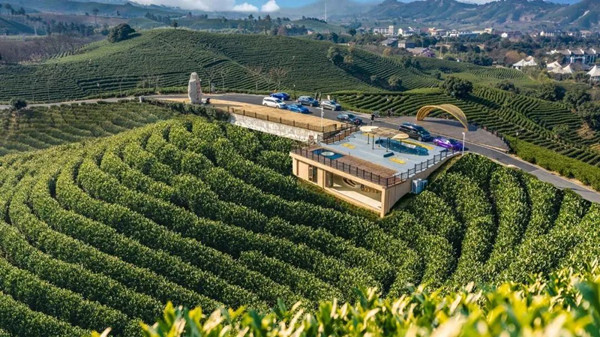
Lush, verdant tea fields grace the hills in Huangdu village, Anji county. [Photo/WeChat account: anjifb]
Beyond tea, Anji's bamboo industry thrives, with local companies like Zhejiang Fenghui Bamboo and Wood Products Company offering a wide range of items. The manufacturer Fenghui generated output of 130 million yuan last year.
Anji county promotes bamboo products, reducing the use of plastic by over 5 million items totally.
Anji is also a magnet for young talent, with over 43,000 newcomers since 2022. Local entrepreneur Ding Chuxiao returned from Hangzhou to open a creative tea shop, generating substantial income.
With new ventures and tourism innovations, Anji has become a vibrant hub of youth-driven development, enhancing the local quality of life and economic growth.


