
Building a “Blue Granary” to safeguard food security
2025-07-31The “Blue Granary” initiative aims to ensure an efficient supply of high-quality protein and expand the strategic dimensions of China’s food security. By harnessing marine and inland water resources through innovation-driven industrial transformation, it seeks to foster new drivers of agricultural growth. Anchored in the principles of ecological priority, integrated land-sea planning, and the coordinated integration of agricultural production, processing, and related market services, the initiative aspires to build a globally competitive modern fisheries system. It represents a key component of a diversified food supply strategy and serves as a strategic safeguard for national food security. Currently, the supply of animal-based foods in China—particularly beef and dairy—has fallen far short of growing demand, resulting in a shortage of high-quality protein. The development of a Blue Granary is therefore urgently needed to support the shift from "having enough to eat" to "eating well"—with greater nutritional quality and health benefits.
I. Strengths and Potential
First, developing a Blue Granary will help increase the supply of high-quality aquatic products while easing pressure on staple grains and livestock. With a maritime area of approximately 4.73 million square kilometers, China possesses vast untapped potential in marine food resources. In 2023, the country’s total aquatic output reached approximately 71.16 million metric tons—an increase of about 92% compared to 2000. China has ranked first globally in aquaculture output for several consecutive years, with aquatic products now supplying around 30% of residents' high-quality animal protein intake. Emerging models such as saline-alkali aquaculture offer solutions to land resource constraints. In addition, aquaculture provides fishmeal and fish oil used in livestock feed, helping to reduce dependence on grain-based feed and relieve pressure on both staple grain and meat production.
Second, the Blue Granary initiative can drive healthier food consumption patterns while addressing the dual challenges of poor nutrition and ecological strain. Excessive consumption of processed and red meat has contributed to a rise in obesity, hidden hunger, and growing pressures on land and water resources. Aquatic products, rich in omega-3 polyunsaturated fatty acids and essential micronutrients, offer a viable nutritional alternative. According to national dietary guidelines, China’s per capita aquatic consumption still has room to grow by 8.8 kg. Increasing seafood intake can help replace overconsumption of red meat and improve diet-related health outcomes. Research estimates show that in 2016, marine products could have substituted approximately 22.97 million tons of pork and 91.88 million tons of raw grain—saving an estimated 16.85 million hectares of arable land and 75.8 billion tons of freshwater. These shifts could significantly ease land and water scarcity.
II. Challenges
Despite its potential, the Blue Granary initiative faces several hurdles:
1. Shrinking nearshore aquaculture space. Seawater aquaculture yields rose from 8.09 tons per hectare in 2015 to 10.8 tons in 2023, surpassing the environmental carrying capacity. Further expansion in coastal areas is increasingly constrained.
2. Limited utilization of deep-sea and offshore resources. Harsh marine conditions and safety risks have hindered the development of large-scale offshore aquaculture operations.
3. Constraints on distant-water fisheries. International political dynamics and multilateral agreements have limited China’s access to distant-water fishing quotas, with output increasing by only 130,000 tons between 2015 and 2023.
4. Underdeveloped value-added processing. High post-harvest losses during storage and transportation, along with a lag in functional food development, make it difficult to meet evolving consumer expectations.
III. Policy Recommendations
1. Expand aquaculture space through integrated land-sea planning.
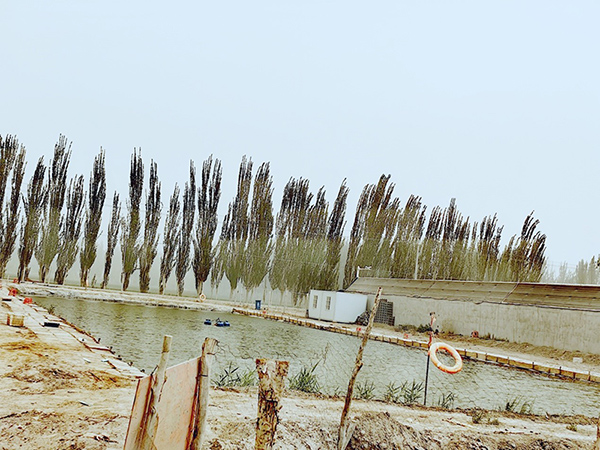
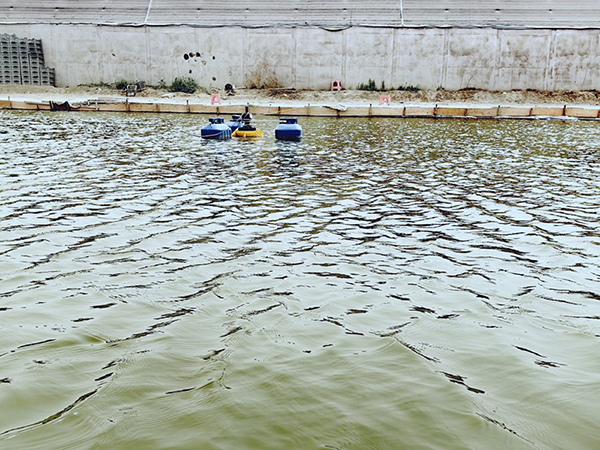
Establish a dynamic mechanism for assessing environmental carrying capacity and tighten controls on over-intensive aquaculture. Promote models that make comprehensive use of saline-alkali land—such as “fish-farming for salt reduction and land restoration”—to conserve terrestrial space and improve land quality.
2. Upgrade equipment to unlock offshore aquaculture potential.
Develop deep-water cages and other adaptive technologies suited to varying marine environments. Accelerate the smart and digital transformation of fishing vessels, and invest in the breeding of aquaculture species that are resistant to rough sea conditions.
3. Strengthen international engagement to secure development rights.
Take an active role in shaping global and regional ocean governance rules to protect fair access to fisheries resources. Expand overseas aquaculture bases through bilateral cooperation to ease domestic spatial constraints.
4. Enhance processing and value-added development to meet upgraded consumption demands.
Strengthen cold-chain logistics to reduce regional imbalances in seafood supply. Promote the extraction of unsaturated fatty acids from fish oil and develop high-value products with health benefits, such as those that help reduce blood lipid levels.
Ren Yanjun, Northwest A&F University
Copyright © China Daily. All Rights Reserved
京ICP备13028878号-36